

BEACHES
- HOME
- BEACHES
KOMMOS BEACH
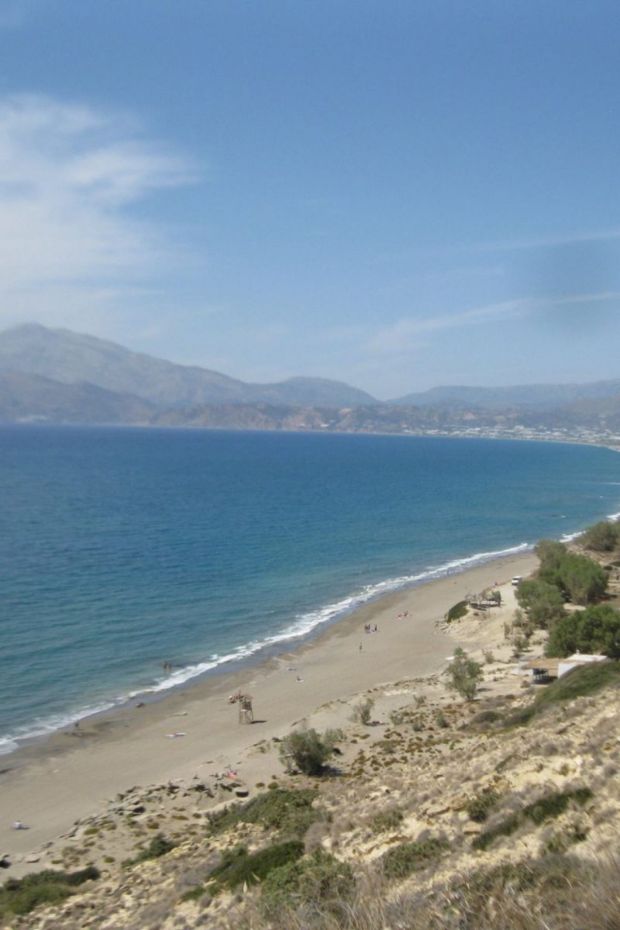
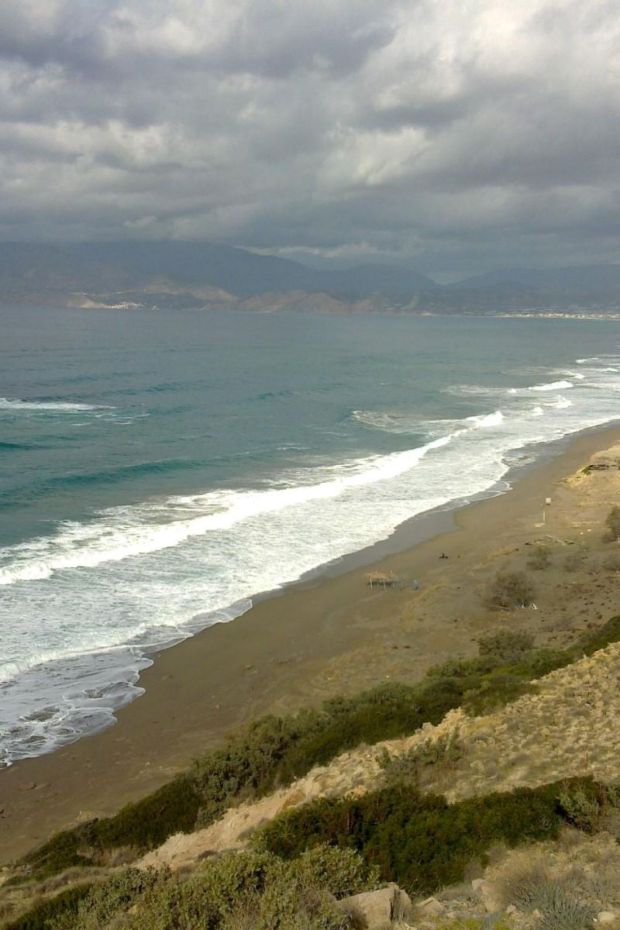
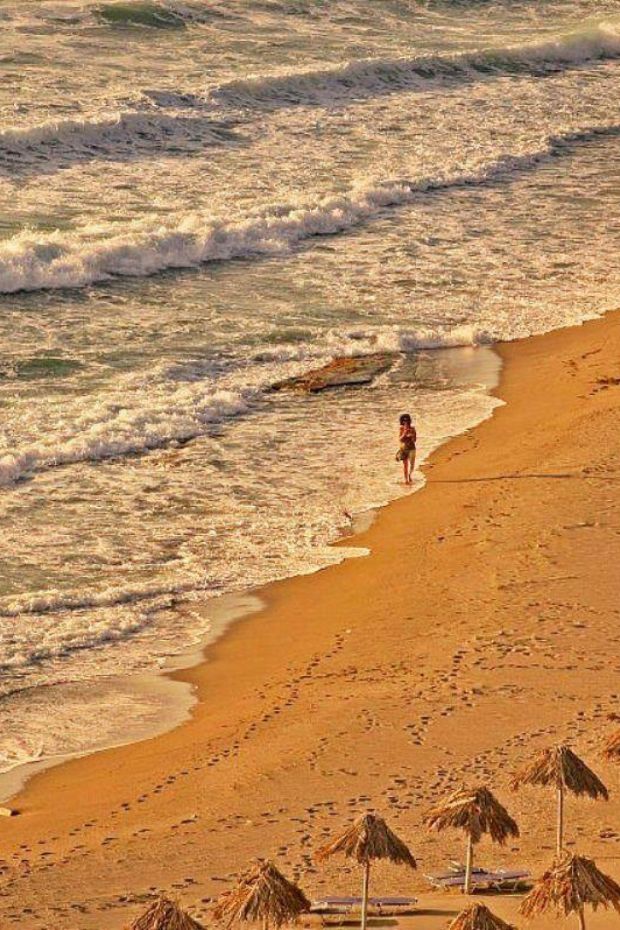
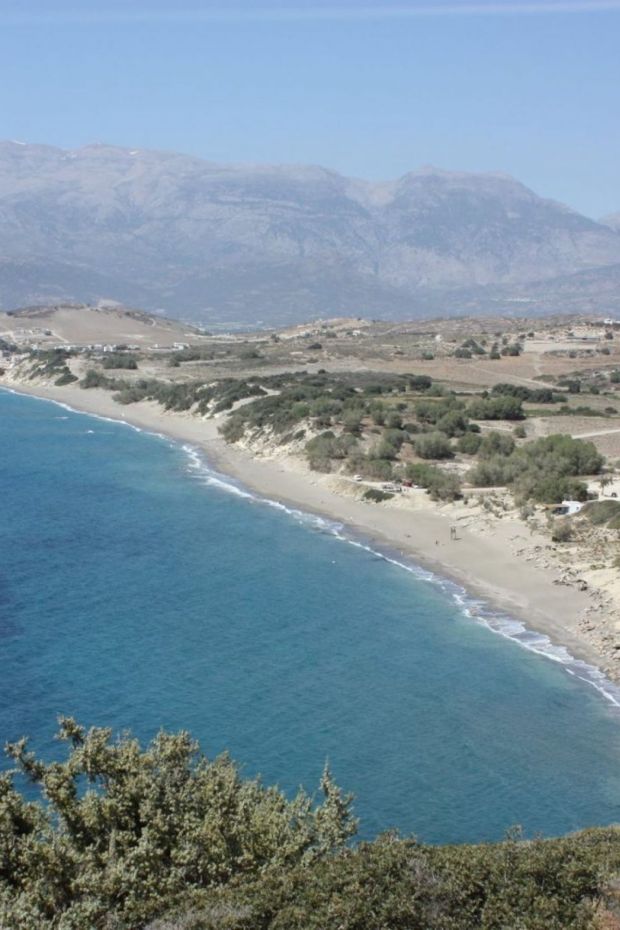
Kommos Beach is a long, unspoiled stretch of coastline, extending over 2 km in length and up to 40 meters in width. It features deep golden sand, backed by natural dunes and low cliffs with tamarisk trees offering occasional shade. The beach is known for its clean waters and relaxed atmosphere, and it is also popular among naturists, with a designated area toward the northern section.
At the southern end of the beach, near the well-known Kommos taverna and within walking distance of the archaeological site, visitors will find basic facilities including umbrellas, sunbeds, showers, toilets, and a lifeguard. The seabed varies along the beach—rocky shelves are found toward the north, while the southern end offers sandy conditions ideal for swimming. The clear waters also make it a good spot for snorkeling, with a variety of marine life to observe.
Kommos is not only a beautiful beach but also an important archaeological site. Excavations of a major Bronze Age settlement have been ongoing since 1976, although the site first attracted attention in 1924 when Sir Arthur Evans learned of large storage vessels discovered there. In antiquity, Kommos served as a major Minoan port, featuring monumental buildings, extensive storage complexes, and a thriving town dating from around 1800 to 1200 BC. Later remains include a Greek sanctuary that remained in use until the early Roman period (around 200 AD). Artifacts found at the site reveal trade connections with regions such as Cyprus, Egypt, and Sardinia.
Kommos is widely regarded as one of the best naturist beaches in Crete, offering ample space even during peak times. Some natural shade can be found under the trees at the back of the beach.
Visitors should also be aware that Kommos is an important nesting site for the loggerhead sea turtle (Caretta caretta), protected by the Greek organization Archelon. Nests must not be disturbed, and hatchlings should not be assisted to the sea, as this is essential for their natural development. Visiting the beach at night during nesting season should be avoided, and, as always, preserving the natural environment is essential.